Cost of Living in Nairobi, Kenya – A Local’s Perspective
Dive into the real cost of living in Nairobi, Kenya from the perspective of a Kenyan woman who actually lives it every day. From rent and groceries to transport, utilities, and weekend fun, this honest and relatable guide breaks down what life in Nairobi truly costs with personal stories, practical tips, and a link to my recent grocery haul video for real prices. Perfect for anyone planning to move to Kenya or curious about everyday life in Nairobi.
LIFESTYLE
Miss Eva
11/19/202516 min read
Hello from Nairobi! If you’re wondering what the cost of living in Kenya’s bustling capital is like, you’re in the right place. I’m a Kenyan lady born and raised in Nairobi, and I’m here to give you a raw, honest, and fun breakdown of what it really costs to live in this vibrant city. Whether you’re an expat, a Kenyan in the diaspora planning a move back home, or a curious traveler, I’ll walk you through everything – housing, food, transport, entertainment, and more – all from my personal perspective. By the end, you’ll have a good idea of the cost of living in Nairobi (and yes, I’ll sprinkle in a few personal stories and even a link to my YouTube video on Nairobi grocery shopping for good measure!).
Nairobi is often considered one of the most expensive cities in Africa (it ranked 8th priciest in Africa in a mid-2024 surveyafrica.businessinsider.com), and as a local I can confirm: life here can burn through your wallet if you’re not careful. Yet, it’s also a city of contrasts – you can live on a tight budget eating street food and using public transport, or spend a small fortune enjoying lavish malls and high-end restaurants. Let’s dive into the details, shall we?
Housing Costs in Nairobi
Housing is likely your biggest expense in Nairobi. Rent prices vary wildly depending on location, type of apartment, and whether it’s furnished. For context, recent estimates suggest a family of four in Nairobi spends about KSh 338,000 per month (approx $2,250) including rent, while a single person’s monthly costs are around KSh 180,000 (about $1,200). (Don’t panic – you can live on much less; those figures reflect a relatively comfortable middle-class lifestyle.)
So, what does rent cost? If you want a modern 2-3 bedroom apartment in an upscale neighborhood like Westlands, Kileleshwa or Riverside, be prepared to pay top shilling. For example, a mid-size 85 m² (900 sq ft) furnished apartment in an expensive area goes for around KSh 160,000–170,000 per month. In a more “normal” residential area (think outskirts or less glossy neighborhoods), the same size might be about KSh 90,000. If you’re solo or a couple looking for a smaller place, a studio or one-bedroom (45 m²) can be ~KSh 65,000 in a high-end area or about KSh 35,000–40,000 in a normal area. These are for furnished places – opting for unfurnished can save you some money (but then you’ll need to buy your own furniture).
As a local, I’ve lived in different parts of the city. When I first moved out on my own, I rented a modest unfurnished studio in South C area for about KSh 7,000. It wasn’t fancy, but it was safe and cozy. Also this was way back in 2005. Now that I have a family, we rent a 3-bedroom apartment in Lavington area for KSh 120,000 (unfurnished) and I consider that a pretty good deal for the space we have, compared to what similar setups go for in, say, Westlands (easily KSh 140K+). Insider tip: Landlords here often ask for 2 to 3 months’ rent upfront as a security deposit (plus one month rent paid in advance), so budget for that when planning your move.
Also, note that utilities often aren’t included in rent, except maybe water in some apartments. Most rentals will have you pay electricity separately (usually via prepaid tokens) and sometimes water charges. I’ll talk actual utility costs in a bit – spoiler: electricity isn’t cheap these days.
Food and Groceries – Eating in Nairobi
Let’s talk about my favorite topic: food! 🍽️ One of the first things I ask when traveling is “How much is a meal there?” In Nairobi, the cost of food can range from dirt cheap to “wait, avocados cost how much?!” depending on what and where you’re eating.
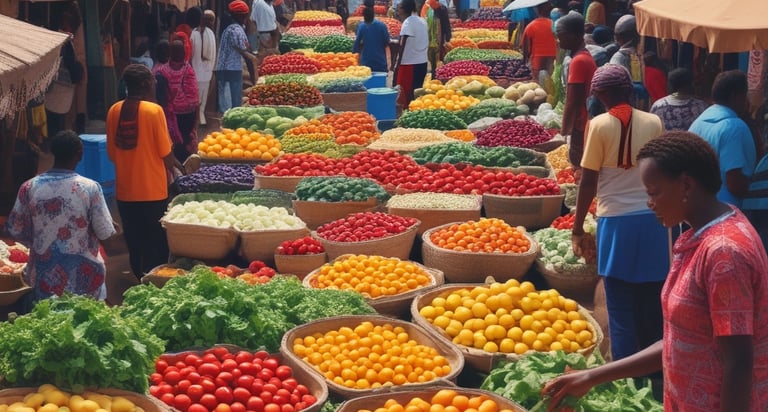
Cooking at home with local ingredients is very affordable. We have vibrant open-air markets (think of places like Wakulima, Kangemi or City Park Market) where you can get fresh fruits, veggies, and grains at great prices. For example, currently a kilo of tomatoes goes for around KSh 88 at the market, a bunch of leafy greens (sukuma wiki or kale) might be just KSh 20–30, and you can get 2–3 avocados for KSh 100 when they’re in season (yes, we’re avocado blessed!). Staple foods are reasonable too – a 2kg packet of maize flour (for our beloved ugali) is about KSh 150 and a loaf of bread is about KSh 60–90 depending on brand. A liter of milk is roughly KSh 120–130 (I buy a packet of milk at KSh 65 for 500ml). Eggs? Around KSh 250 for a tray of 12. These basics mean if you stick to local produce and staples, your grocery bill can be quite low. I’ve found that around KSh 8,000 can cover a month’s fresh vegetables and fruits for my family, since we buy them mostly at the local market.
However, the moment you start adding imported or processed foods, the bills climb. I confess, I love cheese and cereal, but those are pricey here. A small box of imported cereal can be KSh 700–800, and a decent block of cheese (say 250g) easily KSh 400–500 (a full kilo of cheese can be KSh 1,500+l). Also, if you shop at some supermarkets or specialty stores, expect higher prices. For example, at Quickmart or Chandarana (popular supermarket chains), I’ve noticed some items cost a bit more than at chain stores like Naivas or Carrefour. I mix and match – bulk shop at the local market for produce, and hit the supermarket for things like pasta, cleaning supplies, and those indulgent chocolate cookies.
Overall grocery budget: Personally, I spend around KSh 30,000–35,000 per month on groceries for a family of three (this includes food, toiletries, and cleaning supplies). This is me balancing local foods and a few “treats.” It could be lower if we were more austere, or a lot higher if we bought only imported brands. (Fun fact: In my recent YouTube video, I actually took viewers on a Nairobi grocery shopping trip and showed exactly what I pay for various items – from bread and milk to ugali flour. If you’re curious, check it out on my channel for a real-life supermarket tour!)
By the way, inflation has been noticeable. Over the past year, food prices went up roughly 8% . I felt this especially with things like sugar and cooking oil which at one point skyrocketed. In late 2023, there was a period sugar was scarce and prices jumped, but it has stabilized now to about KSh 180–200 per kilo. As a local, I’ve adjusted by hunting for deals – for instance, buying vegetables in bulk when cheap and freezing some, or switching to locally produced rice instead of imported brands. Trust me, every shilling saved counts!
Eating out is another story – which brings us to…
Eating Out and Entertainment
Nairobi offers everything from $2 street meals to $50 steak dinners, so your entertainment and dining budget is totally lifestyle-dependent. As a Nairobi lady who enjoys the occasional night out, here’s the lowdown:
Local eateries (a.k.a. “kibandas” or small cafés): You can get a filling meal of ugali, stew and greens for about KSh 150–300 at a simple eatery. A plate of pilau (spiced rice with meat) or chapati and beans might be KSh 200. These places are super affordable and where many office workers eat lunch. I often grab a quick lunch at a kibanda for KSh 250 that leaves me very satisfied (and sometimes very sleepy at work afterwards, haha). If you’re on a budget, these local diners are a lifesaver.
Mid-range restaurants: Nairobi has a huge range of mid-tier restaurants – think Java House, Artcaffe, or nice family restaurants. A meal at a casual restaurant will cost around KSh 500–1000 per person. For example, a burger and fries might be ~KSh 800, a pizza ~KSh 1,000, and a plate of pasta ~KSh 700. Coffee at a cafe (we love our Java coffee) is about KSh 300–400 for a latte or cappuccino. When I meet friends for brunch at a place like CJ’s, I budget about KSh 2,000 for a meal and a drink for myself.
Date night / upscale dining: If you’re going to a fancy restaurant or hotel (think about places in Westlands, Karen, or fine dining spots), a dinner for two could easily be KSh 5,000–10,000 (around $40–$80). A three-course meal for two at a mid-range restaurant is roughly KSh 4,000 on average, but high-end places will charge more. I’ve splurged on anniversary dinner at a top restaurant and the bill came to KSh 12,000 for two – worth it for a special occasion, but definitely not a regular thing for my wallet!
Drinks and nightlife: Enjoying Nairobi’s nightlife or a simple beer with friends? A bottle of beer (Tusker, our classic Kenyan beer) at a local bar is about KSh 250–300. Trendier bars or clubs might charge KSh 400–600 for imported beers or cocktails. A glass of wine at a restaurant is ~KSh 600–800. If you go out to the popular clubs in Westlands, there might be an entrance fee of around KSh 1,000 on event nights. I usually set aside maybe KSh 3,000 for a night out (a couple of drinks plus cab fare home). The good news: there are plenty of free or low-cost entertainment options too – for example, a day at Karura Forest (beautiful urban forest) costs only about KSh 100–200 entry fee, and it’s one of my favorite weekend activities.
Transportation Costs
Getting around Nairobi can be an adventure on its own! The city’s traffic is legendary (not in a good way), but there are various transport options at different price points:
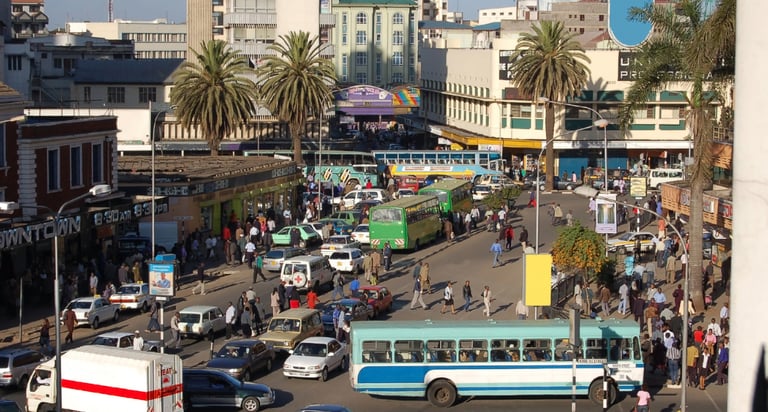
Matatus (minibuses) – These are the colorful, crazy minibuses that serve as Nairobi’s public transport backbone. They are the cheapest way to get around. A typical fare for a city route is anywhere from KSh 50 to KSh 100. For example, a matatu from the CBD (downtown) to a residential estate like Kasarani or Lang’ata might be ~KSh 80 off-peak and up to KSh 150 in rush hour. When I was a student, matatus were my daily ride – I’d spend maybe KSh 200 a day on round-trip fare. They’re noisy, often crowded, and sometimes you get a live Kenyan music video experience on board (flashy screens and loud music are common in some matatus), but they get you there! Recent efforts by the county government aim to regulate fares and even introduce a cashless payment system to avoid sudden fare hikes, but for now it’s usually cash and the fare can fluctuate with time of day and demand.
Buses – The city buses (like City Hoppa, KBS) have similar pricing to matatus, often a flat rate around KSh 50–100 for many routes. They’re usually a bit slower and make more stops. I occasionally take the bus if I have a light load and I’m not in a hurry.
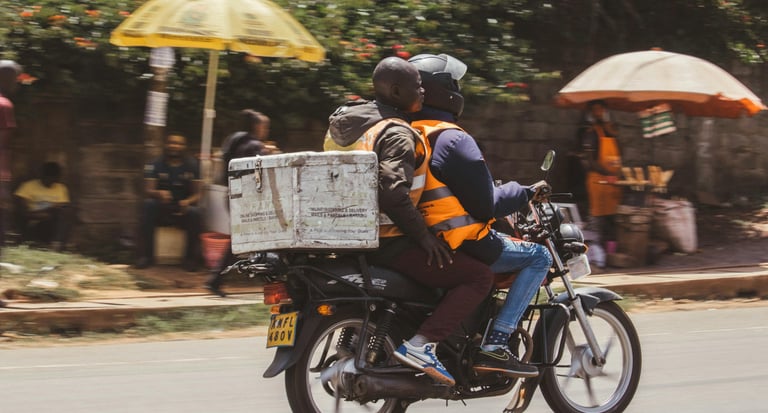
Boda bodas (motorbike taxis) – These are motorcycle taxis and are everywhere. They’re faster through traffic and great for short distances. Cost is usually negotiated: a short ride in the neighborhood might be KSh 50–100, whereas a few kilometers could be KSh 200–300. They can be a bit thrilling (hold on tight and hope your rider weaves safely!). I often use ride-hailing apps for boda bodas (like Uber Boda or Bolt bike) because the price is set upfront – e.g., my 5 km Uber Boda ride to the market costs me about KSh 150. Helmets are provided (though sometimes questionably old). Use them if you’re brave and need to beat traffic – but I advise against it for long distances due to safety.
Ride-hailing taxis (Uber, Bolt, Little Cab) – Ride apps are a convenient way to get around comfortably. They’re pricier than matatus but still cheaper than owning a car for many. A basic Uber within the city (short distance, ~5km) might cost around KSh 300–400 if no traffic. Longer rides, say from Jomo Kenyatta Airport to Westlands (~20km), can be around KSh 1500–2000 depending on time and surge pricing. I rely on these taxis when I’m dressed up for an event or it’s late at night and I don’t want to use a matatu. On average, I spend about KSh 4,000 a month on Uber/Bolt rides for those days I’m avoiding the hassle of driving or public transport. If you prefer regular taxis (street cabs not using apps), make sure to agree on a fare beforehand – they often charge more, especially if they sense you’re new in town.
Driving your own car – This is a dream for many Nairobians (for comfort and flexibility), but it comes with costs. Fuel prices right now are about KSh 185.5 per liter for petrol (and around KSh 173 for diesel)t. That means roughly KSh 840 per gallon for those used to imperial measures. Fuel has gotten more expensive over the years, and taxes on fuel went up in 2023, so everyone felt the pinch. If you have a small car, a full tank (45 liters) costs about KSh 8,300. My Toyota costs around KSh 11,000 to fill when near empty. Parking in the city center is another factor – about KSh 200 for a few hours to KSh 400 a day in public parking, and mall parkings range from free (for 1st hour) to KSh 100-200 per subsequent hours. Also budget for car insurance, maintenance, etc. I frankly use my car sparingly because sitting in traffic also burns fuel (and sanity). Many Nairobians will drive on weekends or off-peak, but use other means during rush hour. If your employer covers fuel or you have a car allowance, lucky you!
One more thing on transport: Nairobi is working on improving public transit. We now have a commuter train to some suburbs and plans for BRT (Bus Rapid Transit) lanes. The train from Syokimau to CBD, for example, is about KSh 100 only. It’s not extensive yet, but if you happen to live near the train line, it’s a steal.
Utilities and Other Monthly Bills
Utilities in Nairobi include electricity, water, cooking gas, garbage, and internet/phone. Here’s a breakdown from my experience and current rates:
Electricity: Provided by Kenya Power (KPLC). It’s prepaid via tokens for most households now. The cost per unit (kWh) is around KSh 25 currently, but there are tariffs that make initial units a bit cheaper and heavy usage units more expensive. In practical terms, if I spend KSh 5,000 on electricity tokens, that lasts me about 3 weeks for a 3-bedroom apartment (with fridge, lights, TV, laptop, and occasional microwave use). If you’re frugal or live alone, 50 kWh might cost only around KSh 1,300 (that would be very light usage though). Many apartments also charge a separate fee for a backup generator (common in newer apartments due to power outages)
Water: Water is relatively cheap if supplied by the city (Nairobi Water), usually around KSh 500–800 a month for our household. In apartments, sometimes water is included in service charge, or you pay per usage (metered). However, water supply can be inconsistent in some areas, meaning you might need to buy water from tankers occasionally, which can cost KSh 2,000 or more for 5,000 liters delivered.
Cooking Gas (LPG): Many homes use gas cylinders for cooking. A 13kg gas cylinder refill costs about KSh 3,300–3,500 as of 2025 (prices jumped when VAT doubled). How long it lasts depends on your cooking – for my family, 13kg lasts 2-3 months. If you have electric cooking or an instant hot shower, that will affect your electricity bill instead of gas. Some newer apartments have electric stoves; I personally prefer gas for its efficiency and in case of power blackouts, I can still cook.
Internet: Good news, Nairobi has decent internet options. I work online , so this was crucial for me. A home fiber internet connection (unlimited) costs roughly KSh 2,500 to KSh 6,000 per month depending on the plan speed. For example, I pay KSh 3,999 for a 20 Mbps connection (Safaricom Home), and there are plans like 10 Mbps for ~KSh 2,500 or 40 Mbps for ~KSh 5,500. . So compared to many countries, I’d say home internet is reasonably priced. If you don’t get home fiber, you might rely on mobile data.
Mobile Phone and Data: Almost everyone uses mobile money (MPesa) and internet on their phones here. I spend about KSh 2,000 monthly on my Safaricom bundle that gives me data, some SMS, and calling minutes. Safaricom is the priciest but best coverage; Airtel and Telkom are cheaper options (you could do maybe KSh 1,000 for a similar bundle on those networks). For example, currently you can get 5 GB for KSh 500 or so on some plans. There is WiFi in many cafes and restaurants if needed, but I like knowing I have mobile data wherever.
Trash collection: The county or private companies handle garbage. Many estates have a fee ~KSh 500 per month for garbage collection. In my apartment it’s included in the service charge, but when I lived in a standalone house we paid a private garbage collector KSh 300 every month.
Other misc.: If you have a domestic helper (househelp), that’s a common aspect for many households – their pay can vary (full-time live-in help might be KSh 15,000–25,000 a month; part-time cleaner maybe KSh 500–1,000 per day of work). Also, things like security (some neighborhoods have security groups you contribute to, like KSh 1,000 a month for street guards). It all depends on your setup, but I wanted to mention these little things that newcomers sometimes overlook.
Healthcare and Schooling (If Applicable)
I’ll touch on this briefly, since it can be a big part of the cost of living especially for families:
Healthcare: Public healthcare in Kenya is subsidized, but many expats and middle-class locals prefer private hospitals for quality and convenience. Consultation at a private clinic costs around KSh 1,500 – 3,000 for basic cases. Health insurance is strongly recommended if you’re moving here. My family’s private insurance (covering inpatient and outpatient) comes to ~KSh 20,000 per month (through my employer). There’s also the NHIF (National Hospital Insurance Fund) which every Kenyan formal worker contributes to – it’s about KSh 500 per month, and it covers you in public hospitals (and some level of private hospital rebate). If you’re young and healthy, you might spend very little on healthcare monthly, but I always budget for at least some meds or clinic visit just in case. Dental and optical care are separate and can be costly too (teeth cleaning ~KSh 5,000 at a private dentist, eyeglasses easily KSh 10k+ if prescription lenses).
Education: For those moving with kids or planning a family, note that school fees can be a huge expense. Public schools are low-cost (just uniform and minimal fees), but many expats opt for private or international schools, which can rival U.S./Europe tuition. A mid-range private school in Nairobi might be KSh 100,000 per term (there are 3 terms a year) or more, and high-end international schools can be KSh 1-2 million a year 😮. So, if you have children, definitely factor education into your cost of living.
Personal and Leisure Activities
Life isn’t just work, eat, sleep – what about enjoying life in Nairobi? Here are a few common lifestyle costs I experience or friends do, which might interest you:
Gym membership: Many estates have a local gym; membership can be about KSh 3,000–6,000 per month. High-end fitness clubs (with pools, classes, etc.) like Smart Gyms or Karen Country Club cost more (KSh 10k+ per month). I currently pay KSh 4,500 a month for a gym in Westlands – it’s mid-range but has all I need. If that’s steep, there are also pay-per-session aerobics or Zumba classes for a few hundred shillings in community centers.
Clothing and shopping: You can keep this cheap or splurge hard. I mostly buy clothes from mitumba (second-hand markets) where you can get fashionable dresses or jeans for KSh 500 or less if you bargain well. There are high-end malls (Two Rivers, Westgate, Village Market) with international brands – a dress at Zara or LC Waikiki might be KSh 5,000+, so I seldom go on shopping sprees there unless necessary. Tailoring is an option too: I’ve had dresses made by a fundi (tailor) for ~KSh 2,000 with my own fabric. So clothing costs are very much you do you. Same for household items – you could kit out an apartment with affordable locally made furniture, or buy expensive imports. Nairobi has it all.
Movies and entertainment: A movie ticket is around KSh 600–800. Popcorn and soda might add KSh 300. There are also museums and parks: National Museum entry is ~KSh 1,500 for non-residents (only KSh 150 for citizens like me). The Nairobi National Park (yes, we have a safari park right in the city!) entry is $43 for non-resident adults, but for citizens it’s KSh 430 – big difference. If you’re moving here long-term, get a resident card for parks to pay local rates. I try to take advantage of the many free events around – from festivals, art gallery openings (sometimes free wine, haha), to live music at pubs where you just buy drinks. You don’t have to spend a ton to have a good time in Nairobi.
Final Thoughts: Making Nairobi Work for Your Budget
Living in Nairobi has taught me the art of budgeting and the joy of little luxuries. It’s a city where you can tailor your cost of living to your means to some extent. You can survive on a shoestring by sticking to local food, using matatus, and living in a simpler neighborhood. Or you can spend extravagantly on gourmet groceries, upscale apartments, and constant Uber rides. Most of us fall somewhere in between.
To recap a few key points: Housing will likely be your biggest monthly expense (expect anywhere from KSh 30k for a basic bedsitter to KSh 150k+ for a fancy family apartment). Groceries can be very reasonable if you eat like a local – I highly recommend hitting the open-air markets and learning a bit of Kiswahili to bargain. Transportation is cheap if you go local (I sometimes spend less than KSh 3,000 a month on transport when I predominantly use matatus), but convenience will cost you more (those Uber rides and petrol bills do add up). Utilities are manageable but keep an eye on that electricity usage. And don’t forget the “hidden” costs like healthcare and possibly school fees if you have kids – they can be significant.
Despite the challenges, Nairobi is completely worth it. The energy of this city, the entrepreneurial spirit, the mix of cultures, and the fact that you can have a city life and still see zebras on your drive to the airport (yes, really!) make it a special place. I find that even though I might complain about the high price of cheese or the dreadful traffic while paying for extra fuel, I wouldn’t trade living here for anywhere else right now.
If you’re looking to move to Kenya, I hope this gives you a clearer picture of what living in Nairobi costs. It’s always changing – prices do creep up, but Nairobi also has a way of offering new opportunities and ways to adapt. Feel free to reach out or comment if you have specific questions – as someone who shares her life in Nairobi on YouTube and with friends abroad, I’m always happy to help others navigate this city I call home.
Karibu Nairobi! (Welcome to Nairobi!) Get ready for an adventure – budget spreadsheets and all. 😉








To me, 33 has always been the age that is the perfect line between youthfulness and maturity. I have created this blog this year(2020) because I turn 33.
In my 33 years of being alive, I have lost a parent(s), gotten married, divorced before 30, and found myself growing from a girl to a woman, a single mum, and a successful career woman. On this platform, I will share my colorful journey and share life lessons that I have picked up along the way
© 2020 by Missevaspeaks.